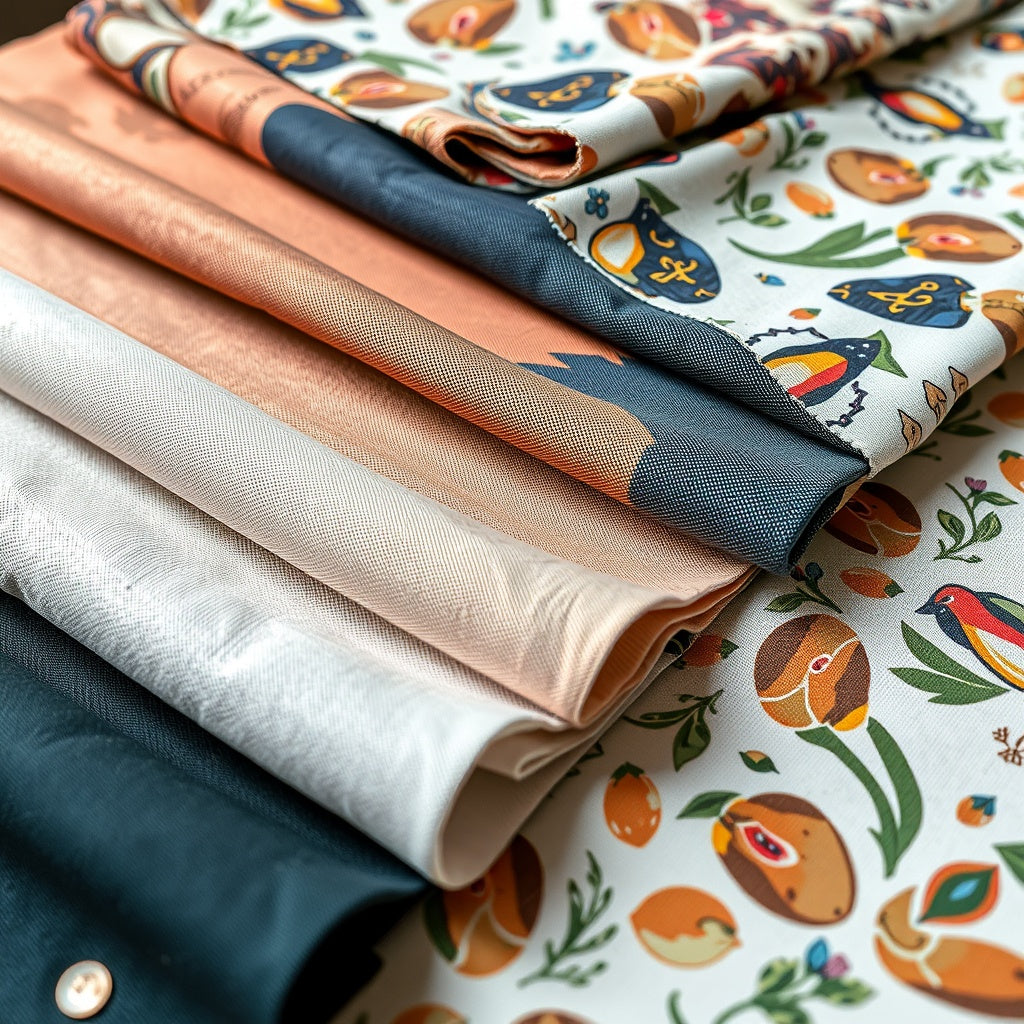
Best Fabrics for DTF Transfers: Complete Compatibility Guide

Best Fabrics for DTF Transfers: Complete Compatibility Guide

DTF transfers work on more fabric types than any other garment decoration method. Cotton, polyester, blends, nylon, denim, rayon, and even some specialty materials — the adhesive bonds to virtually any textile that can withstand heat press temperatures. But each fabric type has specific handling...
By Rachel Foster · Oct 25, 2025 · 12 min read

DTF transfers work on more fabric types than any other garment decoration method. Cotton, polyester, blends, nylon, denim, rayon, and even some specialty materials — the adhesive bonds to virtually any textile that can withstand heat press temperatures. But each fabric type has specific handling requirements for optimal results.

Tier 1: Best Performance — Cotton and Cotton Blends

100% Cotton

Cotton is the gold standard for DTF. The natural fiber's texture grips the adhesive powder during pressing, creating a permanent bond that survives 50+ wash cycles without peeling or fading. The fiber's porosity allows the adhesive to embed slightly into the fabric surface rather than sitting on top, which is why cotton garments feel soft after DTF transfer application compared to screen printing or heat transfer vinyl.

Best heat press settings for 100% cotton: 320-340°F (160-171°C) for 10-15 seconds with medium-firm pressure (about 2-3 on a scale of 1-5). This temperature range is hot enough to fully meld the adhesive without scorching the fabric or causing yellowing. Press too cool and adhesion weakens; press too hot and you risk permanent discoloration, especially with dyed fabrics.

Cotton t-shirts, sweatshirts, hoodies, and canvas are ideal for DTF. The rougher surface texture of heavier cotton (like 10 oz canvas used for tote bags or 14 oz sweatshirt fleece) actually improves adhesion because more surface area contacts the adhesive.

Cotton Blends (Cotton/Polyester Mixes)

Cotton/polyester blends (typically 50/50 or 65/35 cotton) are extremely common in modern apparel because they combine cotton's comfort with polyester's durability and wrinkle resistance. DTF works excellently on these blends — often even better than pure cotton because the polyester component adds heat stability.

Recommended settings: 330-350°F (165-177°C) for 10-12 seconds. Blends tolerate slightly higher temperatures than pure cotton without damage because the polyester fibers have a higher melting point. The polyester also reduces shrinkage, so pre-washing garments before transfer application is less critical than with 100% cotton items.

Common blends include Gildan 6 oz 50/50, Champion 9 oz 50/50, and Bella+Canvas 3.8 oz 52/48. All perform consistently with DTF transfers. Many custom apparel businesses prefer blends specifically because they offer better durability and color retention over time.

Tier 2: Very Good Performance — Polyester and Synthetic Fibers

100% Polyester

Polyester is fully compatible with DTF, but it requires more careful temperature management than cotton because polyester fibers begin to break down around 400°F (204°C). This gives you a narrower optimal temperature window.

Recommended heat press settings: 315-330°F (157-166°C) for 12-15 seconds with medium pressure. The slightly lower temperature and longer dwell time compensate for polyester's tighter fiber structure. Polyester doesn't absorb moisture the same way cotton does, so the adhesive sits more on the surface than embedding into the fabric.

Polyester garments excel for moisture-wicking athletic wear, jackets, and outdoor apparel. DTF transfers on polyester perform well through multiple wash cycles and actually improve over time as the fabric's slight napping softens the feel of the transfer.

One critical note: Avoid pressing shiny polyester (like nylon or satin-finish) too hard. Press with just enough pressure to bond the adhesive — excessive pressure can crush the fibers and create a dull spot that's visible even after the transfer adheres. Think "kiss" pressure rather than "crush" pressure.

Nylon and Specialty Synthetics

Nylon, lycra blends, and technical fabrics used in performance wear accept DTF transfers well, but require 300-320°F (149-160°C) to avoid heat damage. These fabrics are often engineered for specific performance attributes (stretch, moisture-wicking, UV resistance) that can degrade if overheated.

Press at the low end of the temperature range and verify adhesion on a test piece before mass-producing. Nylon's slick surface means the transfer might appear to adhere initially but separate during washing if the temperature was slightly too low. Test wash a sample before committing to a customer order.

Tier 3: Good Performance — Specialty Fabrics

Denim

Denim is structurally a tightly woven cotton twill, so DTF works well on jacket and shirt denim. However, raw denim (indigo-dyed untreated fabric) and heavily starched denim require specific handling.

Press settings: 330-350°F (165-177°C) for 12-15 seconds with slightly firmer pressure than regular cotton. Denim's tight weave requires the extra pressure to ensure the adhesive penetrates adequately. The indigo dye sometimes bleeds slightly at high temperatures, so stay in the recommended range.

One important consideration: denim shrinks. If you're printing on raw denim for customers who will wash it, recommend they wash garments before wearing to achieve final sizing. Alternatively, offer to pre-shrink denim by pressing an empty press at high temperature and low pressure a few times to release moisture and relax the fibers.

Denim offers excellent profit margins for custom apparel businesses because blank denim jackets and vests are inexpensive ($15-30 wholesale) but sell retail for $50-120+ when customized with DTF designs.

Rayon and Viscose

Rayon and viscose are semi-synthetic cellulose fabrics popular in fashion and women's apparel. They're more delicate than cotton and heat-sensitive. DTF works but requires careful temperature control.

Press settings: 300-320°F (149-160°C) for 10-12 seconds with light-to-medium pressure. These fabrics scorch easily — you'll see a subtle yellow/brown discoloration around the transfer edges if you press too hot. The adhesive sets at these lower temperatures, so don't reduce time to compensate.

Rayon drapes beautifully and feels luxurious, making it popular for dresses, blouses, and fashion items. Customers expect quality, so test your exact press settings on sample garments before delivering orders. Small variations in fabric weight and dye affect how rayon responds to heat.

Linen and Linen Blends

Linen is a natural cellulose fiber like cotton but with a different structure — it's stiffer and more prone to wrinkling. DTF transfers adhere well to linen, but the fabric's inherent wrinkles can create uneven pressure during pressing.

Press settings: 330-350°F (165-177°C) for 10-12 seconds. Pre-press linen garments before applying transfers — lay them flat and press without a transfer for 3-5 seconds to relax the fibers. This creates a flatter surface for even adhesive contact.

Linen commands premium pricing, so customers expect flawless results. Wrinkled linen looks intentional and rustic (trendy in casual wear), but a poorly executed DTF transfer on linen looks unprofessional. Take extra time with quality control on linen pieces.

Fabrics to Avoid or Approach Carefully

Low-Quality Cheap Blanks

Ultra-cheap blanks ($1-2 wholesale) are often made from thin, loosely woven synthetics with inconsistent fiber structure. They press inconsistently because the weave compresses unevenly under heat and pressure. The adhesive may bond to some areas strongly while other areas bubble or peel.

These blanks exist — they're profitable initially but create customer service headaches. Customers blame you for poor quality when the issue is actually the blank's construction. Spend the extra $1-2 per unit on quality blanks and eliminate this problem entirely.

Spandex and High-Stretch Materials

Spandex (lycra) in excess of 15% of blend can cause adhesion issues because spandex has a different heat-response curve than cotton or polyester. At the temperatures needed to bond DTF adhesive to cotton, spandex is already beginning to relax and shrink.

If you must print on high-stretch fabrics, press at 305-315°F (152-157°C) and test aggressively — put samples through 20 wash cycles and examine adhesion. High-stretch garments move and flex constantly (biker shorts, swimwear, compression shirts), stressing the transfer adhesion more than static garments like t-shirts.

Shiny Coated Fabrics

Fabrics with polyurethane or vinyl coatings, like leather-look synthetics or shiny performance jackets, have too smooth a surface for reliable adhesion. The adhesive powder can't grip the slick finish effectively. These fabrics are better suited to heat transfer vinyl or direct embroidery.

Understanding Heat, Pressure, and Time Variables

Temperature: The Foundation

Temperature is the primary variable determining adhesion. Too low (under 300°F / 149°C for most fabrics) and the adhesive doesn't fully melt and bond. The transfer appears to stick initially but separates during washing.

Too high (over 375°F / 190°C for cotton) and you risk scorching the fabric, causing color change, fiber damage, and potential brittleness. Dark fabrics are especially vulnerable to visible scorch marks. Test on dark navy or black garments if you're uncertain about your settings.

Different heat press models have temperature variance. Budget models might read 350°F but actually press at 335-365°F depending on location on the platen. Calibrate your specific press using a heat-gun thermometer on the lower platen (where the garment sits). Adjustments of 10-15°F make noticeable differences in results.

Pressure: More Isn't Always Better

Pressure ensures even contact between the adhesive powder and fabric fibers. But excessive pressure crushes delicate fabrics, flattens napping on fleece, and can create uneven adhesion in complex designs where thick ink coverage varies across the transfer.

Ideal pressure is the minimum needed to create uniform contact across the entire transfer. For most machines, this is 2-3 on a 5-point pressure scale. Heavier fabrics (sweatshirt fleece, canvas) tolerate and benefit from slightly higher pressure. Delicate fabrics (rayon, thin polyester) need lighter pressure.

A simple test: Press a transfer with your current settings, then immediately remove the garment and look at the bottom side (underside of the fabric, where it rested on the platen). You should see a slight indentation pattern from the fabric weave. This indicates proper pressure — enough to embed the adhesive, but not so much that the weave is crushed flat.

Time: The Secondary Variable

Dwell time (how long the press stays down) should be long enough for heat to conduct through the transfer film, activating the adhesive, and for that adhesive to melt into the fabric fibers. This typically takes 10-15 seconds for most fabrics.

Lighter fabrics need slightly longer dwell times because the heat takes longer to conduct through the fabric. Heavier fabrics conduct heat more quickly, so they can use shorter dwell times. The optimal time also depends on your specific press's heating element and platen material — a press with a heated upper platen (more even heat distribution) can use shorter times than one with an unheated upper platen.

If you're uncertain, start with 12 seconds and adjust from there. Reduce time if the transfer develops shine or fabric damage. Increase time if adhesion is weak.

Pre-pressing and Post-pressing Techniques

Pre-pressing the Garment

Pre-pressing before applying the transfer serves two purposes: it removes moisture from the fabric and relaxes wrinkles that could interfere with even pressure distribution.

Pre-press at the same temperature as your transfer press but with no dwell — just tap down for 2-3 seconds, then remove the garment immediately. This warms the fabric and drives out surface moisture, which can interfere with adhesion.

This step is especially important for: cotton garments (which absorb ambient moisture), light-colored fabrics (where moisture can show as slightly darker patches during pressing), and orders where multiple garments are being pressed back-to-back (the first few presses are cooler as the platen warms up).

The Cool Down

Resist the urge to immediately handle or fold a garment after pressing. Allow 30-60 seconds for the adhesive to fully set. The transfer film is still slightly pliable while hot — flexing the garment or rubbing the transfer before it cools can separate the adhesive from the fabric slightly.

This is why production facilities cool on open racks rather than stacking fresh presses on top of each other. The slight breeze from air circulation helps cool the adhesive faster and more evenly than sealed stacks.

Testing Your Settings on New Fabrics

Every new fabric, blank manufacturer, or lot variation requires testing. Create a test protocol: press samples at your standard settings, then peel the plastic film off while still warm (proper technique — should peel cleanly with no adhesive pulling away). Wash samples using a standard residential wash cycle (cold water, 30 minutes, regular detergent), then dry on high heat. Examine the results:

  • Perfect adhesion: Design still firmly bonded after washing, no edge lifting, no color transfer to wash water
  • Weak adhesion: Edges lifting or peeling away — increase temperature by 10-15°F or extend time by 2-3 seconds
  • Fabric damage: Scorching, shine marks, or dye bleeding — reduce temperature by 10-15°F or reduce pressure
  • Uneven adhesion: Some areas strong, others weak — check for garment wrinkles (pre-press more thoroughly) or uneven pressure on your machine

Document your successful settings by fabric type and weight. Over time you'll develop a reference guide specific to your equipment and preferred blanks. This consistency is what separates professional operations from hobbyists.

FAQ: Fabric Compatibility and Heat Press Settings

Can I use DTF on 100% polyester dress shirts?

Yes, but use 310-325°F for 12-14 seconds. Dress shirts are usually thinner fabric than t-shirt polyester, so monitor first samples closely. The transfer will be smooth and feel like part of the fabric once properly cured.

Will DTF stick to athletic/moisture-wicking polyester?

Yes, absolutely. Athletic wear is one of the fastest-growing DTF markets. Press at 315-330°F for 12-15 seconds. The transfer bonds excellently to moisture-wicking fabrics, and customers appreciate the durability of DTF vs. screen printing on performance wear.

What's the best fabric for 3D puff DTF transfers?

Cotton and cotton-rich blends work best because the fabric can support the raised design without looking distorted. Press 3D puff designs at 320-330°F for 12 seconds with slightly heavier pressure than flat designs to help the puff material bond uniformly across its height.

Can I press dark-colored transfer on light fabric?

Yes, but be cautious with very light fabrics (white, pale yellow, pale pink). Even a few degrees of excess heat can show slight scorch marks around dark designs. Press at the lower end of your temperature range and test first. The adhesive itself won't cause discoloration, but excessive heat can.

How does fabric weight affect DTF adhesion?

Heavier fabrics (sweatshirt fleece at 14+ oz, canvas at 10+ oz) have denser fiber structure that requires slightly more heat and pressure to penetrate fully. Lighter fabrics (6 oz t-shirt fabric, 4 oz dress shirt material) heat through quickly and need less dwell time. The weight affects conduction speed, not the ultimate adhesion strength.

Is DTF suitable for fitted athletic wear with stretch panels?

DTF works on stretch athletic wear, but avoid placing transfers over high-stretch panels (like side mesh or cross-back panels). These areas move constantly during wear and stress the adhesion. Design placement matters more on athletic wear than on static t-shirts. Place main design elements on the chest, back, or sleeves where fabric movement is minimal.

Can I press the same fabric twice (layered designs)?

Yes, this is increasingly popular for artistic effects. Press the first transfer normally, let cool completely (60+ seconds), then press the second transfer at the same settings. Ensure the two transfers don't overlap or they'll show as one thick, stiff area. Layering works best on cotton and cotton blends because the first adhesive layer is already set.

What's the maximum size transfer I should apply to delicate fabrics?

For rayon and viscose, keep transfers under 12x12 inches. Larger transfers require longer press times or higher temperatures to ensure full adhesion, which increases risk of heat damage on delicate fabrics. If you need larger designs on delicate materials, consider splitting the design across multiple smaller transfers or using heat transfer vinyl instead.

Conclusion: Matching Fabric to Your Business

The beauty of DTF is its fabric versatility. Cotton dominates the market because it's affordable and results are consistent. But as you expand, testing and perfecting your settings on specialty fabrics — denim, rayon, athletic polyester — opens premium product categories where customers willingly pay more for quality personalization.

Start with quality cotton blanks and dial in your heat press settings perfectly. Then expand one specialty fabric at a time. Create detailed heat press temperature and time charts for each fabric type your business uses. This documentation becomes your competitive advantage — consistent, professional results across every product you offer.

Related Reading: For detailed heat press setup, see Choosing the Best Blank T-Shirts for DTF Printing and DTF White Underbase Explained.

Next Article